
With proven expertise, we provide the right equipment and services tailored to meet each client’s specific needs. Our team reviews your application needs and develops an optimized plan, offering preventative and efficient solutions to reduce downtime, preserve equipment and protect the environment.
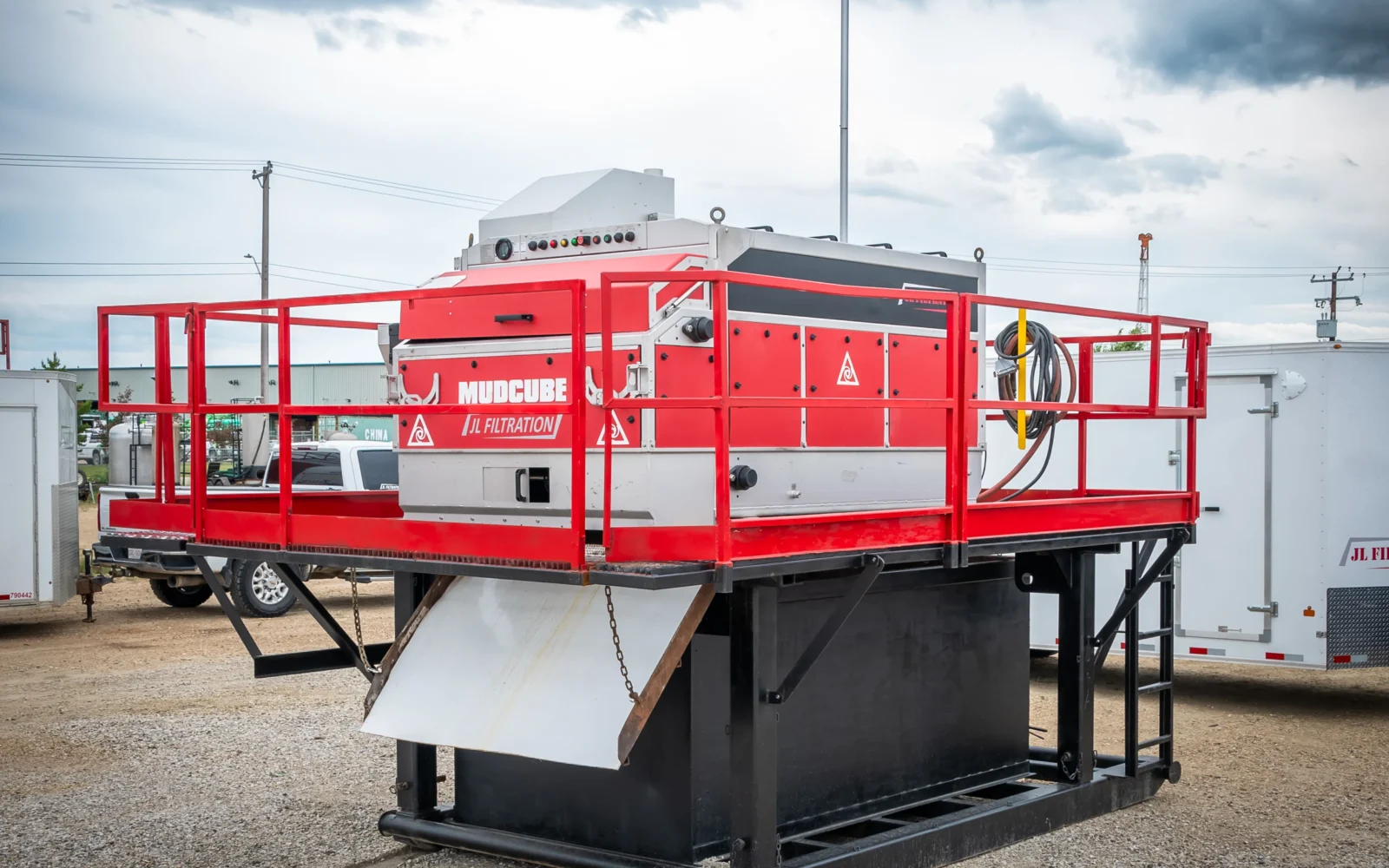
JL Filtration is unique in that we offer both products and field services. Whether you need a one-time rental or ongoing support, we have the equipment, products, people and expertise to meet all your filtration needs. Our onsite services and rental fleet are supported by internally manufactured products, allowing us to adapt to any client’s requirements. Our cross-trained team ensures safe and effective service.
Our rental fleet and field services use our quality products, and we also offer custom orders for clients in Canada and the US. Don’t settle for a one-size-fits-all approach – trust us to create a tailored solution for your unique industry or project needs.
Connect with us today to learn why industries across North America rely on the JL Filtration team for onsite field services and solutions.
We specialize in the treatment of hydrocarbons, suspended solids, chlorine, tracer dyes, metals, PCBs and more. Our systems are customized to treat specific contaminants as well as general water impurities, ensuring compliance with discharge permit limits. These systems are tailored to meet the water volume and flow rate requirements of each project.
Our solutions are vital for water use in mining. Water is essential to mining operations, making sustainable water usage imperative. Mining requires water for mineral processing, dust suppression, slurry transport and other activities. Removing suspended solids from water is a minimum requirement for recycling process water. By separating liquids from solids, the volume of material diverted to tailings storage facilities is reduced. In addition, minimizing freshwater demand promotes sustainability, particularly in water-scarce regions. Reducing water content in tailings not only lessens environmental impact but also contributes to more stable tailings storage.
We provide water treatment services for the construction, industrial and environmental sectors, offering mobile environmental solutions to manage turbidity, sediment and pH levels, hydrocarbons and metals-impacted waters.
Gas processing plants consist of specialized units for the receipt, separation, treatment and processing of feed gas for product export. These processes and equipment are carefully monitored to maintain operational efficiency and protect major equipment, such as compressors, pumps and heat exchangers, from failure. Phase separation and filtration of suspended solids are key components to preventing operational downtime caused by process upsets (e.g., foaming, fouling, channeling), extending solvent service life and reducing environmental impact due to inefficient operations.
Refineries process petroleum into olefins and aromatic compounds, which serve as the basis for solvents and polymers used in various petrochemical products. Phase separation and filtration of raw materials, chemical compounds and contaminants are crucial for maintaining quality, reducing operational downtime and minimizing wear on critical equipment.
Energy is at the core of all industries, playing a significant role in societal impact and global infrastructure development. The extraction, production, transportation and distribution of both renewable and non-renewable energy sources rely on thoughtful design considerations to minimize consumption and maintain efficient operations, ensuring a sustainable environment. Varying environmental conditions, processes and by-products necessitate the separation of components and removal of contaminants from water to support efficient and environmentally friendly industries.
Acid mine drainage results from the outflow of acid rock drainage from metals and coal mines. We carefully treat water to achieve neutralization, remove total metals to levels safe for aquatic life and ensure sediment particles are removed to meet specified NTU discharge levels.
Dewatering involves removing groundwater and surface water from construction sites, typically carried out before excavation or to lower the groundwater level on site.
We utilize acidic or alkaline solutions to control pH levels, which affect the solubility of dissolved metal ions and impurities. This pH control allows for the removal of impurities via precipitation, ensuring compliance with environmental specifications and achieving neutral pH for safe discharge into the environment.
Recovering valuable metals during fluid treatment processes supports product recovery and environmental compliance. Dissolved metal ions are removed via ion exchange or precipitation, increasing total suspended metals which are then separated through mechanical filtration.
We specialize in separating hydrocarbons from water and process streams, protecting the environment from contamination, preventing process fouling and recovering valuable products. Hydrocarbon removal solutions are tailored to each application using media-based treatment systems, gravity separation or specialized recovery units.
Amine and glycol are essential solvents in process fluid treatment; amine absorbs acid gas and sulfur components, while glycol serves as a dehydration agent. Filtration is used to maintain solvent integrity by removing contaminates that accumulate due to fluid degradation, protecting equipment and preventing operational issues such as foaming, corrosion and fouling. A slipstream filtration system allows for continuous operation and prevents shutdowns for maintenance.
Filtration is a mechanical separation process that removes suspended solid particulates from a liquid or gaseous mixture using a filter medium. The filter medium’s complex structure, with a retention rating, allows fluid and smaller particulates to pass through. The filtration process enables product recovery of clarified fluid or captured solid particulates, protects downstream equipment and removes contaminants.
Solids control is used in drilling rigs, micro tunneling and other fluid-based industries. It involves separating “cuttings” (drilled material) from the fluid, enabling it to be recirculated, reused or safely discharged into the environment.